
TL;DR:
When it comes to your Austin fence, staining and painting each offer unique benefits. Staining is generally better for cedar fences, offering UV protection, while painting provides a durable finish but may require more maintenance. This guide breaks down both options, helping you make an informed decision for your fence.
Why You Need to Choose Between Staining and Painting in Austin
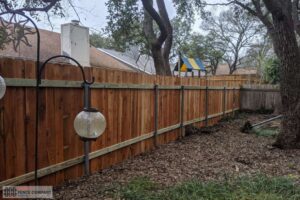
If you’re considering staining or painting your fence in Austin, it’s important to understand how the local climate will affect your decision. Wooden fences are especially common in Austin and require careful consideration of maintenance options to ensure longevity and curb appeal. Austin’s hot summers, high humidity, and occasional rainfall mean that both staining and painting come with their own set of benefits and challenges.
In this blog, we’ll compare staining vs painting for your cedar fence in Austin, discussing which option is best suited for protecting your fence and how each option holds up in Austin’s weather. Weathering and wear and tear are major concerns for fencing in the region, making it essential to choose the right protective treatment.
Applying a fresh coat of stain or paint is a key part of maintaining wooden fences, and personal preference also plays a significant role in the decision.
Preparing a New Wood Fence for Staining or Painting
Getting your new wood fence ready for staining or painting is a crucial first step to ensure a beautiful, long-lasting finish. Start by thoroughly cleaning your wood fence to remove any dirt, dust, or mold that may have settled on the surface. A pressure washer is a great tool for this job, but be sure to let the fence dry completely before moving on to the next step.
If your fence is made from pressure treated wood, patience is key—wait at least 3 to 6 months before applying any stain or paint. This allows the wood to dry out and acclimate, which helps the coating adhere properly and prevents issues down the road.
Sanding is another important part of the prep work, especially for a brand new fence. Use fine-grit sandpaper to smooth out rough spots and create an even surface. This not only helps the stain or paint go on smoothly but also ensures a uniform finish that will look great for years. For cedar or other softwoods, consider applying a wood conditioner before staining or painting. This step helps the coating penetrate evenly, enhancing the natural beauty of the wood and preventing blotchiness.
Taking the time to properly prepare your wood fence will make a big difference in the final look and durability of your staining or painting project.
Benefits of Staining Your Fence
Staining your cedar fence offers several advantages, particularly in Austin’s climate. Using a quality wood stain can enhance the natural color and beauty of your fence, allowing the wood’s original appearance to shine through. Preparing a smooth surface is essential for achieving a smooth finish when staining a fence, as it helps the stain settle evenly and improves durability.
Protection from Moisture and Sun
A stained fence is better protected from moisture, rot, and sun damage than an untreated one. Wood stain penetrates the wood, providing a barrier that helps prevent water intrusion and UV damage. This not only extends the life of your fence but also maintains its natural color and appearance over time. Achieving a smooth surface before staining ensures a smooth finish, which is crucial for both protection and aesthetics when staining a fence.
Aesthetic Appeal
Staining a fence enhances its appearance, bringing out the wood’s grain and natural color. You can choose from transparent, semi-transparent, or solid stains depending on your desired look. A fence stained with solid stains can provide additional UV protection and a more uniform appearance, making it a popular choice for homeowners seeking both durability and style.
Low Maintenance
A stained fence typically requires less maintenance than a painted one. Fence stain does not peel or chip, so you won’t need to scrape or sand as often. Applying fence stain evenly helps prevent moisture intrusion and extends the life of the stained fence, reducing the frequency of re-staining and repairs.
Increased Property Value
A well-maintained, stained fence can boost your home’s curb appeal and add value to your property. Staining fences with professional staining services ensures proper preparation and application, which can reduce frequent maintenance and further enhance your home’s curb appeal.
Planning your staining project is key to success. Proper preparation, such as cleaning and sanding to create a smooth surface, and timing the application for optimal weather conditions, are essential steps. Staining your fence protects against weathering and can make a significant difference in both the appearance and longevity of your fence.
Natural Look
Stain enhances the natural beauty of your cedar wood, showing off the wood grain and texture. If you prefer a more natural look for your fence, staining is an ideal choice.
Protection from UV Rays
Austin’s intense sun can cause wood to fade and crack over time. Stain, especially semi-transparent stains, offers UV protection that helps preserve the color of the wood while preventing sun damage.
Moisture Resistance
Staining helps prevent moisture from seeping into the wood, reducing the chances of mold, mildew, and rot, which is especially important in Austin’s humid climate.
Low Maintenance
Unlike paint, which can peel and crack, stained fences require less maintenance. You’ll need to reapply stain every 2-3 years, which is much simpler than the upkeep required for painted fences.
For more information on why staining is important for your cedar fence, check out our Complete Guide to Fence Installation in Austin.
Benefits of Painting Your Fence
While staining is often preferred, painting also offers some significant benefits, particularly for those looking for a more solid, uniform appearance. Paints are available in a variety of finishes and can be used to refresh both new fences and older wooden fences.
Durability
Paint provides a stronger, more durable finish compared to stain. A well-applied coat of paint can last for many years before it needs to be touched up. In Austin’s hot sun and humid conditions, paint provides an extra layer of protection for the wood.
Variety of Colors
One of the main reasons homeowners choose painting over staining is the ability to pick from a wide variety of colors. If you want to match your fence to your home’s aesthetic or create a bold look, paint offers greater flexibility in color choices.
Full Coverage
Paint completely covers the wood grain, providing a more consistent appearance. This can be particularly useful if you’re dealing with weathered wood or imperfections in the wood.
For more details about fence materials and maintenance, check out How to Choose the Right Fence for Your Austin Property.
Drying Time and Weather Considerations in Austin

Austin’s weather can be unpredictable, so timing your fence staining or painting project is essential for the best results. The ideal weather conditions for applying stain or paint to your wood fence are dry, mild, and not too sunny. Direct sunlight can cause the coating to dry too quickly, leading to an uneven finish, while cold weather can slow down drying time and affect how well the stain or paint adheres.
Spring and fall are typically the best seasons for staining or painting fences in Austin, thanks to moderate temperatures and lower humidity. Always check the weather forecast before you start—make sure there’s no rain expected for at least three days after applying your first coat. Rain can wash away fresh stain or paint, ruining your hard work.
Drying times can vary based on the type of coating you use. Oil based stain usually needs at least 24 hours to dry before you can apply a second coat, while water based stain can often be recoated in just 4 to 6 hours. For both stain and paint, plan for at least 24 to 48 hours of drying time for the first coat, and avoid touching or leaning anything against the fence during this period.
By paying attention to weather conditions and allowing adequate drying time, you’ll help your wood fence achieve a smooth, durable finish that stands up to Austin’s elements.
Which Option Is Better for Austin’s Climate?
When it comes to Austin’s climate, the best option depends on what you prioritize in your fence. Homeowners in Central Texas must consider local weather conditions, such as dry weather and humidity, when choosing between staining and painting.
- Staining is better if you prefer the natural look of cedar and want a low-maintenance solution that protects against UV rays and moisture. However, you may need to re stain your fence periodically, especially if exposed to harsh weather conditions.
- Painting is a good option if you’re looking for long-lasting protection and prefer a more uniform finish that can withstand harsh weather, but it may also require frequent maintenance to keep the finish looking fresh.
For a more in-depth look at cedar vs composite fences, check out Cedar vs Composite Fences: Which is Right for Your Austin Home?.
Ultimately, frequent maintenance may be required for both options, so you should decide based on your willingness to re stain or repaint as needed.
How Staining or Painting Affects Fence Maintenance
Both staining and painting require maintenance, but the level of care differs:
Maintaining your fence may involve inspecting for rotting and doing a bit of repair work before reapplying stain or paint.
- Staining requires reapplication every 2-3 years to keep it looking fresh and to maintain its protective qualities.
- Painting may require more frequent touch-ups or a full recoat, as paint can peel and crack over time, particularly in high-UV areas like Austin.
While painting offers a stronger finish, staining is a lower-maintenance option that still provides excellent protection.
DIY vs. Professional Fence Staining and Painting
When it comes to fence staining or painting, deciding between a DIY approach and hiring a professional can make a big difference in your results and your schedule. Tackling a staining or painting project yourself can be a cost-effective option, especially if you have the time and patience to do the prep work and apply the coating carefully. However, staining or painting a fence can be time consuming, particularly if you’re working with pressure treated wood or a large property.
Professional fence staining and painting services bring extensive experience and the right equipment to the job, ensuring a smooth, even finish that lasts. Pros know how to handle different wood types, including pressure treated wood, and can spot potential issues before they become problems. They also take care of all the details, from prepping the surface to applying stain or paint evenly and protecting nearby surfaces.
If your fence has a complex design, is made from specialty wood, or you simply want the best possible results without the hassle, hiring a professional is often the best choice. On the other hand, if you’re comfortable with DIY projects and have the time to dedicate, you can achieve great results by following manufacturer instructions and taking safety precautions.
Ultimately, the decision comes down to your budget, your available time, and your confidence in handling the project. Either way, a well-stained or painted fence will boost your home’s curb appeal and protect your investment.
Cost and Budget: What to Expect in Austin
Budgeting for a fence staining or painting project in Austin means considering several factors, from the size of your wood fence to the type of coating you choose. On average, staining a wood fence in Austin can cost between $3 and $15 per linear foot, while painting typically ranges from $5 to $20 per linear foot. These prices can vary based on the condition of the wood, the complexity of the job, and whether you need any repairs before starting.
Don’t forget to factor in the cost of materials, such as stain, paint, brushes, drop cloths, and any necessary prep supplies. If you’re hiring a professional, labor costs will be included in your estimate, but you may also benefit from package deals or discounts for larger projects.
Maintenance is another important consideration. While staining and painting both protect your fence, they also require periodic upkeep—re-staining or repainting every few years to keep your fence looking its best and to maintain protection against the elements.
To get the most accurate idea of your project’s cost, consult with a local fence company. They can assess your property, recommend the best products for your wood type, and provide a detailed quote. With careful planning and the right investment, you’ll enjoy a beautiful, durable wood fence that enhances your property’s value and curb appeal for years to come.
Conclusion: Choose the Right Option for Your Austin Fence
Both staining and painting offer distinct benefits for your Austin fence. Your decision should be based on factors like aesthetic preference, maintenance needs, and how much UV and moisture protection your fence requires.
If you need help deciding or want a professional to handle the job, Atlas Fence Company is here to provide expert advice and professional staining and painting services for your fence.
📞 Call us at (512) 366-8108 or Get Your Free Estimate today!