
TL;DR:
The real price of a fence isn’t just day-one installation—it’s the total cost of ownership over time: materials, stain cycles, gate hardware, repairs, and eventual replacement. In Austin’s sun, soil, and storms, finish schedules and post quality matter as much as material. If you want a design that looks good and stays straight for years, start with a code-clean plan and a maintenance cadence you can comfortably follow. Ready to compare options? Explore fence installation, request a free estimate, or call (512) 366-8108.
Why lifetime cost beats sticker price?
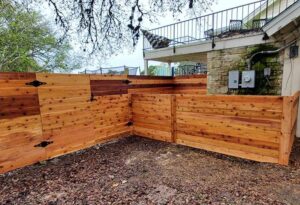
In a perfect world, you’d pick a fence once and never think about it again. In Austin, the world has other plans: UV exposure, expansive clay soils, surprise wind events, and HOA style rules. A low sticker price can balloon later if posts heave, gates sag, or finish fades. Looking at lifetime cost means evaluating:
- How long the material typically lasts on your lot
- How often you’ll need finish or repairs
- What replacements or upgrades will run, including fence replacement down the road
A detailed cost breakdown is essential for understanding the true investment, as several factors—such as materials, installation complexity, and ongoing maintenance—impact the final price.
If you’re on the fence (sorry, had to) between two materials, the tiebreaker is often the maintenance rhythm you can realistically stick to. Obtaining an accurate estimate requires considering all these elements.
The ingredients of fence total cost of ownership
Think of TCO (total cost of ownership) as five buckets:
- Up-front build — posts, rails/panels, gates, hardware, concrete, labor
- Finish & protection — stain/paint/seal, prep, and re-coats (where applicable); see fence staining
- Repairs — leaning sections, gate tune-ups, picket/rail swaps; handled via fence repair
- Upgrades — adding a drive gate, changing styles along a street-facing run, or switching to low-maintenance materials later
- End-of-life — demo/haul-off and rebuild via replacement
Good news: thoughtful installation reduces all the future buckets.
How Austin’s climate and soils change the math?
A Central Texas fence battles three main forces:
- Sun & heat: Accelerates color fade and dries out unprotected wood.
- Expansive clay: Shrink-swell cycles stress posts and footings; shallow footings can lean early.
- Storm gusts: Poorly anchored posts and wide, solid sections catch wind like sails.
Fences in Austin must also withstand harsh weather conditions, including heavy rains, which can impact their longevity.
The fix isn’t just “buy pricier materials.” It’s design + spec: deeper posts, gravel for drainage, smarter gate framing, and a finish cadence that matches your sun exposure. Selecting the right material type is crucial for long term durability in Austin’s unique climate. If you’re learning toward cedar, these resources help: Why You Should Stain Your Cedar Fence in Austin and How to Choose the Best Fence Stain for Austin.
Design and Style Considerations for Austin Homes

The design and style of your fence play a major role in shaping the first impression your home makes. In Austin, where neighborhoods range from historic to ultra-modern, choosing the right fence style can elevate your property’s curb appeal and even increase its value. Wood fencing remains a favorite for its warmth and adaptability, blending seamlessly with everything from Craftsman bungalows to contemporary builds. If you’re after a sleek, low-maintenance solution, vinyl fences deliver a clean, modern look that stands up well to Austin’s weather.
For those prioritizing affordability and function, chain link fencing is a practical choice for backyards or side yards where privacy isn’t the main concern. Meanwhile, wrought iron fences add a touch of sophistication and security, making them ideal for front yards or properties with ornamental landscaping. Composite fencing and metal fences offer additional options for those seeking a balance between durability, style, and maintenance.
When selecting your fence, consider how the design complements your home’s architecture, fits with neighborhood trends, and meets any HOA requirements. Factor in the cost per linear foot, total installation costs, and the long-term maintenance each material demands. Whether you’re installing a new fence or replacing an old one, weighing these factors will help you choose a fence type that not only looks great but also stands the test of time in Austin’s unique environment.
Material-by-material lifetime profiles
Below is a practical, Austin-specific snapshot. Use it to decide where to invest up front vs. where to plan for upkeep. Different fence types can significantly impact your property’s value, durability, and maintenance needs, so it’s important to consider which option best suits your climate and neighborhood standards.
Cedar privacy (vertical or board-on-board)
- Strengths: Warm look, great privacy, easy to repair by section—cedar privacy fence offers enhanced seclusion and style.
- Lifetime drivers: Post spec (depth, concrete, drainage), stain schedule, and sun exposure. Adding a rot board provides extra protection against rot, while choosing materials resistant to termite damage is important for long-term performance. Fence height can affect both cost and compliance with local regulations.
- Typical strategy: Combine steel posts, cap & trim for water shed, and a stain plan.
- Who chooses it: Homeowners wanting privacy + classic curb appeal at a reasonable initial price, and those seeking a secure back yard or backyard for pets and children.
- Helpful reads:Popular Fence Styles in Austin and Staining vs. Painting.
Composite
- Strengths: Minimal finish work, strong color retention, no rot or insect damage.
- Lifetime drivers: Up-front cost vs. low ongoing care; posts and framing still matter.
- Typical strategy: Use on high-sun or street runs; combine with cedar in low-visibility areas to balance budget. Composite is often selected during full replacement projects for long-term savings.
- Who chooses it: Long-term owners seeking low maintenance.
- Compare:Cedar vs. Composite Fences in Austin. Composite and vinyl fence are both popular low-maintenance alternatives.
Ornamental iron/aluminum
- Strengths: Low maintenance, view preservation near greenbelts and pools, excellent gate performance, and the durability and classic style of a wrought iron fence.
- Lifetime drivers: Powder coat quality, hardware, and grade transitions at slopes.
- Typical strategy: Privacy on side runs + iron on rear for airflow and views.
- Who chooses it: View lots, pool owners, and HOAs favoring open designs. Selecting an ornamental iron or wrought iron fence is a smart choice for those prioritizing long-term value and aesthetics.
Chain link (galvanized or vinyl-coated)
- Strengths: Most economical over many years; repairs are quick and parts are common.
- Lifetime drivers: Coating, bottom tension wire, occasional gate tune-ups.
- Typical strategy: Use for utility runs, pet areas, and rear property lines; add slats when privacy matters.
- Who chooses it: Budget-sensitive installs, commercial yards, and large perimeters.
Bull panel (welded wire in wood/steel frame)
- Strengths: Open view, rugged, excellent for acreage; doubles as design feature with cedar frames.
- Lifetime drivers: Frame material and finish; post spec on slopes.
- Typical strategy: Combine with cedar accents street-side; keep panel spans tight to avoid flex.
Finish cycles and color retention
Finish is where lifetime cost sneaks up on owners—especially with wood. A simple rule of thumb:
- New cedar: Plan the first stain at the right moisture window, then repeat based on sun exposure. South- and west-facing runs often need more frequent attention than shaded sides.
- Color choices: Semi-transparent stains tend to weather more gracefully than solid paints in our climate.
- Composite/iron: Mostly washdowns and occasional touch-ups—minimal ongoing spend.
For deeper guidance, see Austin’s Climate Effects on Fences and our maintenance primer Regular Fence Maintenance in Central Texas.
Gates and access: small hinges, big impact
Many lifetime expenses trace back to gates. Wide drive gates, heavy frames, and daily cycles wear hardware quickly if specs are light. To cut lifetime cost:
- Choose welded frames and adjustable hinges for wide gates
- Set proper posts/footings at gate openings (often deeper and larger)
- Plan clear approaches so vehicles don’t clip the leafs
If you’re adding or upgrading entries, our gate services cover manual and automated options with hardware that’s built for Central Texas duty cycles.
Terrain, layout, and neighbor factors
Lifetime value improves when the layout plays nice with the lot:
- Step-downs on slopes: Reduce ground contact to limit rot and wave-lines.
- Drainage paths: Don’t dam water; add under-fence gaps or re-route flows.
- Shared lines: Align style with neighbors or upgrade jointly; matching neighborhood standards can boost property value and attract potential buyers by creating a cohesive look.
Already seeing lean or wave? Catch it early. Use repair to reset posts and tune gates before the problem spreads. If posts are failing across long runs, replacement may be the better lifetime value—removing the old fence is often necessary to ensure proper installation and a clean appearance.
Sample lifetime scenarios you can actually use
These examples are directional—your estimate will refine them based on footage, sun exposure, grade, HOA rules, and access.
Privacy first, value-minded homeowner
- Material: Cedar wooden fence, side-by-side with steel posts
- Finishes: Initial stain + periodic re-coat on the sunny sides
- Lifetime notes: Plan small annual repairs (pickets/rails) and a mid-life gate tune-up; stain spend is predictable and keeps curb appeal high.
Low-maintenance, set-and-forget mindset
- Material: Composite on sunniest runs, cedar wooden fence on shaded or hidden sections
- Finishes: Light washdowns only for composite; stain cadence on cedar sections
- Lifetime notes: Higher day-one cost, lower ongoing spend; strong resale optics.
View lot near greenbelt or pool
- Material: Cedar wooden fence privacy on sides, ornamental iron at rear
- Finishes: Stain cedar on a schedule; inspect iron coating annually
- Lifetime notes: Breeze and visibility reduce wind load; iron keeps the view while lowering finish costs.
Large yard on a budget
- Material: Vinyl-coated chain link with tension wire and one drive gate
- Finishes: Minimal; occasional gate adjustments
- Lifetime notes: Best long-run value on big footage; upgrade appearance later with slats where needed.
For each scenario, be sure to review a detailed cost breakdown to understand all expenses and make the most informed decision.
Want personalized numbers? Pair this with How Much Does Fence Installation Cost in Austin? and then book a free estimate.
Ways to lower your lifetime cost (without regret)?

- Invest in posts, not just panels. Depth, concrete, and drainage save you from early lean.
- Pick a stain cadence you’ll actually follow. Consistency beats perfection.
- Right-size your gates. One well-placed drive gate may cost less to maintain than two marginal ones.
- Use hybrids. Put premium materials where they’re seen or sun-baked; use value options elsewhere.
- Choose professional installation. Hiring professionals ensures your fence is built to last and reduces the risk of costly errors that can shorten its lifespan.
- Repair early, replace wisely. This guide pairs well with How to Save Money on Fence Installation in Austin and Repair a Leaning Fence in Austin.