
TL;DR:
Choosing between cedar and composite fences for your Austin property depends on several factors like maintenance, cost, and durability. While cedar offers a natural look, composite requires less upkeep and is more durable against Austin’s harsh climate. This guide will help you make the best choice for your home.
Why Fencing Material Matters for Austin Homes
When installing a fence in Austin, selecting the right material is crucial. The right fence can add to your property’s aesthetic, provide privacy, and withstand the challenges posed by the Central Texas climate. Two of the most popular choices are cedar wood fences and composite fences. Among the most popular fence materials in Austin are wood, composite, metal, vinyl, and stainless steel, each offering unique benefits in terms of durability and style. In this guide, we’ll break down both materials, helping you decide which one suits your needs best. Privacy fences are a common reason homeowners choose these popular fence materials, as they offer security and seclusion while enhancing curb appeal.
What is Cedar Wood Fencing?
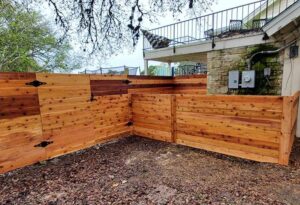
Cedar, often referred to as cedar fencing, is a type of softwood known for its natural beauty and aromatic scent. Used for centuries in fencing, cedar wood fences—also called wooden fences—offer a rustic, natural look that many homeowners find appealing. Cedar has natural properties that make it resistant to insects, rot, and decay. Cedar is considered a rot resistant wood, but it still benefits from being treated wood for maximum longevity.
- Natural Look: Cedar’s warm color and grain make it a classic choice for many homes.
- Durability: While cedar is naturally resistant to decay, it still needs treatment to protect it from the sun and moisture.
- Maintenance: Cedar fences can be stained or painted to match the property’s aesthetic. Proper care, including regular maintenance, helps ensure less maintenance is needed over time. Cedar fences require regular staining or sealing to maintain their appearance and prevent weather damage.
Wooden fences, including cedar fencing, require proper care such as cleaning, staining, and sealing to maximize their lifespan. Wooden fencing is a popular choice in Austin for its traditional look and durability.
What is Composite Fencing?
Composite fences are made from a combination of wood fibers and plastic. This blend creates a durable, low-maintenance alternative to traditional wood fences. Composite fencing is highly resistant to moisture, rot, and insects, making it ideal for homeowners looking for a long-lasting solution with minimal upkeep.
- Low Maintenance: Composite fencing doesn’t require regular staining or sealing like wood.
- Durability: Resists fading, cracking, and warping due to the blending of materials. Composite fencing is also designed to withstand a variety of weather conditions, including extreme temperatures, humidity, and heavy rain, making it suitable for Austin’s climate.
- Sustainability: Often made from recycled materials, composite fences are an eco-friendly option. Compared to traditional wood products, composite fencing has a lower environmental impact due to the use of recycled content and reduced need for chemical treatments.
Aesthetic Appeal and Design: How Cedar and Composite Compare
When it comes to enhancing your Austin home’s curb appeal, the aesthetic qualities of your fence play a major role. Cedar wood fencing is celebrated for its natural beauty, offering a warm, organic look that blends seamlessly with both traditional and contemporary landscapes. The rich color and unique grain of cedar wood, along with its natural oils, give each fence a distinctive character while helping to resist rot and insect damage. This makes cedar a favorite for those who appreciate the timeless charm and rustic elegance of wood fencing.
On the other hand, composite fencing brings a modern edge to your property with its clean lines and uniform appearance. Composite materials are engineered for durability and minimal upkeep, making them a highly durable choice for busy homeowners. Unlike wood, composite fencing won’t fade, crack, or lose its vibrant color, even under Austin’s intense sun. With a variety of styles available—from classic picket fences to sleek privacy panels—composite fencing offers flexibility for those seeking a contemporary look without the frequent maintenance that wood requires.
Ultimately, whether you’re drawn to the natural beauty of cedar wood fencing or the sleek, low-maintenance appeal of composite fencing, both materials can elevate the aesthetic appeal of your property. The right choice depends on your personal style, the character of your Austin home, and how much time you want to spend on upkeep.
Cedar vs Composite Fences: Pros and Cons
Cedar Fences
Pros:
- Aesthetic Appeal: Cedar provides a natural, rustic look that is highly desirable for many homeowners.
- Customizable: Cedar fences can be customized with different stains or finishes to match your home’s style.
- Eco-Friendly: Being a natural material, cedar is a renewable resource.
Cons:
- Maintenance: Requires periodic staining and sealing to maintain its appearance and durability.
- Weathering: Over time, cedar can weather and turn gray if left untreated.
- Cost Over Time: Regular maintenance can increase the overall cost of owning a cedar fence.
Composite Fences
Pros:
- Low Maintenance: No need to stain or seal; just clean occasionally with soap and water.
- Durability: Resists rot, insects, and moisture better than wood.
- Long-Lasting: Composite fences can last longer than cedar fences without deteriorating.
Cons:
- Initial Cost: Higher upfront cost compared to wood.
- Appearance: Some people prefer the natural look of wood, which composite fences can lack.
- Limited Design Options: While composite fencing has a variety of colors, it doesn’t have the flexibility of customizing the look like cedar does with stains.
How Austin’s Climate Affects Your Fence Choice
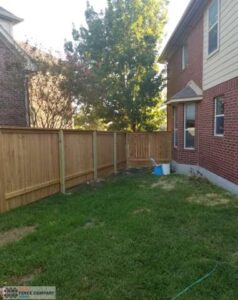
Austin’s hot summers and humid conditions present unique challenges for fence materials. Weather conditions in Austin, such as intense sun and humidity, can significantly affect the longevity and performance of different fence materials. Here’s how the climate impacts your choice:
- Cedar Fences: While cedar is naturally resistant to rot and pests, it is not immune to the effects of sun and rain. Without proper maintenance (such as staining), it can warp, crack, or fade.
- Composite Fences: Composite fences are better suited for Austin’s climate due to their resistance to moisture, UV rays, and pests. They require little maintenance and will not fade or warp like wood.
Metal fences, including aluminum fences, are also popular choices in Austin for their durability, modern appearance, and ability to withstand harsh weather conditions with minimal maintenance. Aluminum fences, in particular, are lightweight, strong, and offer excellent aesthetic appeal for both residential and commercial properties.
Understanding Local Regulations for Fencing in Austin
Before starting your fence project in Austin, it’s important to be aware of the local regulations that govern fencing material, height, and design. The City of Austin, as well as many homeowners’ associations, have specific rules that property owners must follow to ensure their fence is compliant. These regulations can affect your choice of fencing material, such as restricting certain types of wood or requiring a particular style to maintain neighborhood aesthetics.
For example, some neighborhoods may only allow fences of a certain height or may require that the fence design complements the surrounding properties. There may also be guidelines on the placement of the fence in relation to property lines and public sidewalks. Failing to adhere to these rules can result in fines or even the need to remove and replace your fence.
To avoid costly mistakes, it’s essential to research the requirements for your area before selecting your fencing material and design. Consulting with a professional fence company can help you navigate these regulations and choose the right fence that not only boosts your property’s curb appeal but also meets all local standards. By planning ahead, you can ensure your new fence enhances your property while staying fully compliant with Austin’s regulations.
Cost Comparison: Cedar vs Composite Fences
When comparing cedar and composite fences, cost is one of the main factors. Here’s a breakdown:
- Cedar Fences: The upfront cost of cedar is typically lower than composite, ranging between $15 to $30 per linear foot, depending on quality and style. Using treated wood for cedar fences can increase the initial cost, but may help reduce maintenance expenses over time.
- Composite Fences: Composite fences are more expensive, generally costing between $35 to $60 per linear foot for materials and installation.
While cedar is cheaper initially, the ongoing maintenance costs (staining, sealing, repairs) can add up over time. Composite fences, while more expensive upfront, offer savings in maintenance and longevity.
Working with a Professional Fence Company in Austin
Partnering with a professional fence company in Austin is the best way to ensure your fence installation goes smoothly from start to finish. Experienced professionals are well-versed in working with a variety of materials, including cedar fence, composite fence, and vinyl fences, and can help you select the perfect fence for your property. They understand the unique challenges of Austin’s climate and are familiar with local regulations, ensuring your fence meets all requirements.
A reputable fence company will guide you through every step of the process, from choosing the right materials and design to installing sturdy fence posts and panels. They’ll take into account your budget, desired level of maintenance, and the overall aesthetic appeal you want to achieve. Whether you prefer the classic look of cedar, the low-maintenance benefits of composite materials, or the versatility of vinyl, a professional team will help you make an informed decision.
By entrusting your fence project to experts, you can be confident that your new fence will be both durable and beautiful, adding value and security to your Austin property. From initial consultation to final installation, working with professionals ensures a hassle-free experience and a finished product that stands the test of time.
Which Fence is Best for Your Austin Property?

Ultimately, the choice between cedar and composite comes down to your preferences, budget, and long-term goals:
- If you’re looking for a natural, traditional look and are willing to perform regular maintenance, cedar may be the right choice.
- If you’re looking for a low-maintenance, durable option that will stand up to Austin’s climate with little upkeep, composite is the way to go. Composite and vinyl fences are also often chosen for contemporary homes due to their modern appearance and design flexibility.
At Atlas Fence Company, we can help guide you to the perfect material for your property, balancing aesthetics, functionality, and cost.
Conclusion: Get a Free Estimate for Your Fence Installation in Austin
Choosing the right fence for your Austin property is an important decision. Whether you opt for a natural cedar fence or a low-maintenance composite fence, we’re here to help. At Atlas Fence Company, we provide professional fence installation, repair, and maintenance services tailored to your needs.
Ready to get started? Contact us today for a free estimate and let our team help you find the perfect fence for your Austin home.
📞 Call us at (512) 366-8108 or click below to request your free estimate.