
When planning a new gate for your home or business, understanding costs is often the first priority. Prices for gates in Austin vary widely based on design, size, material, and whether you add automation. Unlike a standard fence panel, a gate is a moving system with multiple components—hinges, frames, latches, posts, and often electrical equipment. That means pricing is shaped by more than just raw materials.
At Atlas Fence Company, we’ve helped hundreds of Austin homeowners and businesses choose gates that balance function, durability, and style. This guide breaks down the main factors that affect pricing for pedestrian gates, driveway gates, and automated systems, so you can make confident decisions before requesting a tailored estimate.
Why Gate Quotes Vary More Than Fence Quotes
A fence is a static structure. Once installed, it stands in place with minimal moving parts. A gate, however, is a dynamic system that opens, closes, locks, and often integrates with security hardware. That means your costs depend not only on material but also on:
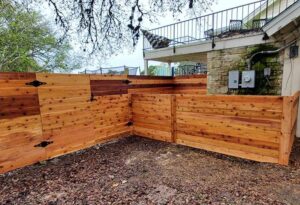
- Frame type and strength
- Hinge size and adjustability
- Latches, locks, and access controls
- Ground slope and soil type
- Swing or slide mechanics
- Optional automation
Two gates of the same width can have very different prices if one is built for light backyard use while the other is designed for frequent vehicle traffic on a sloped driveway. For more details on styles and configurations, explore our gate services page.
Pedestrian Gates: What’s “Standard” vs. Upgraded
Pedestrian gates are the most common and affordable option. These gates typically measure 3–4 feet wide and serve as access points for backyards, side yards, pool entries, or pet enclosures.
Pricing factors include:
- Frame type: A wood-framed gate is budget-friendly but may sag over time, while a welded steel frame offers long-term durability.
- Hinges: Standard strap hinges cost less but offer limited adjustment. Heavy-duty or adjustable hinges allow fine-tuning as soil shifts with Austin’s clay.
- Latch sets: Choices range from simple gravity latches to keyed locks and childproof pool latches.
- Cladding and style: Basic cedar boards are economical, but options like board-on-board, cap-and-trim, or decorative accents increase cost.
- Slope clearance: A sloped yard or need for under-gate pet mesh adds to labor and hardware costs.
When to upgrade:
- The gate is your primary backyard access.
- You’ll open it multiple times per day.
- It serves as a pool safety barrier.
Driveway Swing Gates: Simplicity and Strength
Swing gates are the traditional choice for driveways. They come in single or double-leaf designs, usually 10–16 feet wide.

Why homeowners choose swing gates:
- Fewer moving parts than sliding systems
- Classic, symmetrical look
- Typically easier to install and service
Pricing factors include:
- Leaf count & width: A double-swing distributes weight across two posts, while a single leaf requires stronger hardware.
- Frame & infill: Options range from all-metal ornamental panels to steel frames with cedar or composite cladding.
- Posts & hinges: Larger-diameter posts and deeper concrete footings are necessary for heavy gates, especially in expansive clay soil.
- Driveway slope: Rising grades may require lift-off hinges or split-leaf designs.
Swing gates are best when you have enough clearance to open inward or outward without hitting obstructions or encroaching on a public right-of-way.
Driveway Sliding Gates: Space-Saving Solutions
If space is tight or your driveway sits on a slope, sliding gates are often the smarter solution. Instead of swinging, the gate moves parallel to the fence line.
Two main types:
- Tracked sliders: Roll along a level track; efficient but require regular cleaning.
- Cantilever sliders: “Float” on rollers above the ground; ideal for gravel or debris-prone areas, but they need a longer tail section.
Other pricing drivers:
- Concrete pads for posts and track installation
- Roller hardware and alignment work
- Safety devices like photo-beams and edge sensors
Sliding gates are excellent for short aprons, crowned driveways, or properties with frequent vehicle access.
Automation Basics: Operators, Safety, and Access Control
Adding automation increases both convenience and cost. Automated gates require operators, safety devices, and access controls.
Operators:
- Swing operators: Linear actuators (arm-style) or underground systems for a cleaner look.
- Slide operators: Chain-driven or rack-and-pinion units sized to your gate’s weight and duty cycle.
Safety devices:
- Photo-beams to detect objects or people
- Safety edges to sense contact
- Auto-reverse logic and force limits
- Vehicle loops or wireless sensors
Access control options:
- Keypads, fobs, or remote openers
- Intercom or video systems for guest access
- App-based control with scheduling and event logs
Automation requires more planning, but for households with frequent traffic or security needs, it’s a worthwhile investment.
Power Options in Austin: Hardwired vs. Solar
- Hardwired power: Most reliable for high-volume use. Requires trenching, conduit, and electrical coordination.
- Solar power: Works well for lower-traffic gates or properties far from power sources. Austin’s sunny climate makes solar feasible, but you’ll need backup plans for cloudy stretches.
Materials and Finishes
Your gate’s look and longevity depend on the materials:
- Ornamental iron/aluminum: Elegant and low-maintenance.
- Steel with wood cladding: A warm, natural look with structural support.
- Composite infill: Low-maintenance, durable, higher upfront cost.
- Chain link: Budget-friendly, functional, and long-lasting with privacy slats.
To ensure longevity, match your gate’s materials with the surrounding fence. If you’re planning both together, consult a professional fence installation expert to make sure materials and finishes work seamlessly.
Posts, Footings, and Hinges: Small Specs, Big Consequences
The hinge posts are the backbone of your gate. Undersized posts or shallow footings often lead to sagging, misalignment, or costly repairs.
In Austin’s clay soil:
- Go deeper and wider for hinge posts.
- Use bell-shaped footings to resist soil movement.
- Shed water away from post tops.
- Keep gate bottoms clear of soil and mulch.
These technical details can make or break your investment—another reason professional installation matters.
Site Realities That Affect Cost
Every yard is different. Site conditions that influence price include:
- Slope and grade changes
- Tight access for equipment
- Existing obstacles like concrete, vines, or buried metal
- Apron length and turning radius
- Wind exposure near greenbelts
Good estimators call these out in proposals so you understand exactly where your money is going.
Budget Levers: Where to Save and Where to Invest
Smart ways to save:
- Stick to standard widths for pedestrian gates
- Choose swing gates when space allows
- Use aluminum near pools or irrigation
- Phase access controls (add intercom later)
Where not to cut corners:
- Hinge posts and footings
- Heavy-duty hinge hardware
- Safety devices for automation
- Manual release systems for power loss
Sample Build Scenarios
- Side-yard pedestrian gate:
- Welded steel frame, cedar cladding
- Adjustable hinges + privacy latch
- Standard width, flat approach
- Driveway double-swing:
- Two 6–8 ft welded steel leaves
- Reinforced hinge posts
- Manual operation with future automation wiring
- Driveway cantilever slider:
- Aluminum frame with composite infill
- Slide operator with solar kit
- Safety beams and manual release
- Pool entry gate:
- Self-closing, self-latching hardware
- Sightline-friendly ornamental infill
- Permits, HOA, and Safety Standards
While most gates don’t require city permits, HOA approval often covers style, color, and height. For automated systems, installers must follow UL 325 safety standards and ASTM guidelines, ensuring safeguards against entrapment and accidents.
For broader cost comparisons, see our guide on How Much Does Fence Installation Cost in Austin? This resource helps you understand how your gate fits into the bigger picture of property upgrades.
Maintenance & Lifecycle Costs
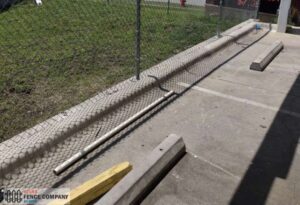
- Hinges and latches: Occasional adjustment needed after seasonal soil shifts
- Wood finishes: Stain every 2–3 years for longevity
- Automation systems: Clear tracks, check batteries, test sensors
- Alignment checks: Annual inspections keep everything running smoothly
Like a garage door, small tune-ups prevent expensive overhauls later.